

The Dangers of Untreated Depression | Safe and Sound
Depression is not just a normal state of sadness or fatigue, but a serious psychological disorder that can cause serious consequences if not promptly and properly intervened. Ignoring or ignoring treatment not only damages the mental health but also seriously affects the daily life of the patient.
Ngo Thanh Thien An | Psychologist - Safe and Sound mental health care application
Institute of Medical Technology Applications
1. Causes of depression
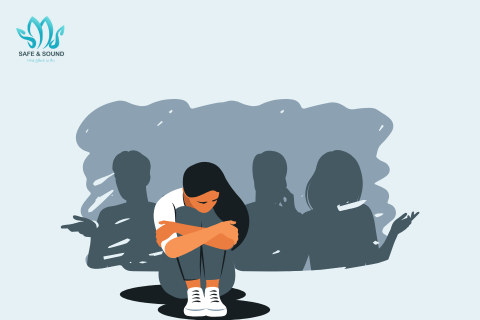
Causes of depression
Depression is a complex condition that can stem from many different factors. According to psychologists, not only biological or genetic factors, but also living environment and daily experiences play an important role in influencing psychology, increasing the risk of depression.
1.1 Biological factors
Biological factors play an important role in causing depression. Psychologists believe that chemical imbalances in the brain, especially neurotransmitters such as serotonin, dopamine, and norepinephrine, can impair the ability to regulate mood. Genetics also plays a role, with people with a family history of depression often having a higher risk. Hormonal changes, such as during puberty, pregnancy, or perimenopause, are also considered biological causes that contribute to the onset of depression.
1.2 Psychological factors
Psychological factors are also one of the main factors contributing to depression. Traumatic experiences such as the loss of a loved one, major failure or abuse can leave deep psychological trauma. In addition, prolonged stress from work, study or family conflicts also increases the risk of depression. People with vulnerable personalities, often self-critical or excessively anxious, often have difficulty coping with pressure, leading to a state of despair. Psychological factors not only affect the way a person perceives problems but also play a key role in maintaining depressive symptoms if not intervened promptly.
1.3 Physical illness
Physical illness can also be a factor in depression. Patients with chronic diseases such as diabetes, heart disease, cancer, neurological disorders such as Parkinson's and traumatic brain injury not only have physical health but also suffer a strong psychological impact. Psychologists say that having to deal with prolonged pain, decreased physical function and anxiety about the future can increase the risk of depression. In particular, patients with these disorders often need psychological support in parallel with medical treatment to improve their quality of life.
1.4 Environmental factors

Negative living environment affects mental health
The living environment plays an important role in the formation and increase the risk of depression. Living in an environment full of pressure, violence, and lack of social support can make a person feel isolated and disoriented. Psychologists say that life changes such as job loss, divorce, or major changes in living environment can be triggers for depression. In addition, lack of exposure to natural light, especially during the winter months, can also cause emotional disturbances, exacerbating depressive symptoms. A healthy, stable, and socially connected living environment is considered an important factor in reducing the risk of depression.
1.5 Other factors
In addition to biological, psychological, physical, and environmental factors, there are other factors that contribute to depression. Substance abuse such as alcohol, drugs, or medications can disrupt brain chemistry, increasing the risk of depression. Psychologists emphasize that the side effects of some medications used to treat chronic diseases can also negatively affect mood. Moreover, sudden life changes such as retirement, financial loss, or the feeling of not meeting personal expectations can all be factors that lead to depression. These factors often require comprehensive intervention, combining psychologists and psychiatrists to improve mental health.
2. The dangers of untreated depression
Depression is not just a temporary psychological problem. If not treated promptly and properly, it can lead to serious consequences and long-term impacts on many aspects of life.
2.1 Depression affects eating and sleeping habits
Most patients with depression who see a psychologist often have problems related to eating or sleeping habits. Prolonged eating and sleeping disorders seriously affect the body's ability to recover or provide nutrition to the body.
Depression increases the level of cortisol – the stress hormone in the body, which weakens the immune system. This is why people with depression are susceptible to chronic diseases such as headaches, stomach aches and cardiovascular disease. Psychologists share that nutrition, sleep and psychology are deeply connected: the weaker the body, the more negative and helpless feelings increase.
2.2 Depression affects the quality of daily work

Depression affects the quality of daily work
People with chronic depression often have reduced concentration and lack of energy to maintain work, leading to increased absenteeism, ineffective work or job loss. This creates additional financial burdens and increases stress levels.
Psychologists share that when a person’s productivity is severely reduced, their feelings of guilt and anxiety increase, leading to pessimistic thoughts, self-blame and hopelessness flooding the patient’s mind. If left unchecked, these negative thoughts can lead to thoughts or behaviors of self-harm.
See also: Is depression dangerous?
2.3 Depression affects surrounding relationships
Depression often causes people to withdraw from social relationships for many reasons: they no longer have the energy to communicate, feeling sad or irritable makes it difficult for them to control their emotions. This can lead to conflicts with the relationships around them, causing them to refuse to participate in activities, not communicate with friends and family and gradually isolate themselves. This creates a large distance and increases the feeling of loneliness.
Families are often the hardest hit when a member suffers from chronic depression. Not only do loved ones feel helpless in their inability to help, but they can also be negatively affected psychologically, especially children who are forced to live in a stressful environment.
2.4 Prolonged depression affects the safety of individuals and communities
People with depression tend to have a reduced ability to assess risks and are more likely to engage in risky behaviors such as substance abuse, self-harm, or driving while impaired. These behaviors can lead to undesirable consequences, including accidents or even death.
Psychologists warn that depression is one of the leading causes of suicide. When depression is not treated, feelings of hopelessness, loss of faith in life, and the belief that one is a burden to others often push the patient into a state of serious depression, leading to suicidal behavior.
Chronic depression not only affects the sufferer but also has a strong impact on the family and community. Losing an individual due to depression leaves a great pain and void for those around them, and puts pressure on the health care system and society.
3. Is depression treatable?
Depression is a complex psychological disorder, but it is completely treatable if the right method is applied. Among the common treatment methods, psychotherapy and pharmaceuticals are considered the two main pillars, bringing outstanding results when combined scientifically.
3.1 Psychological therapy
Psychotherapy is a treatment that focuses on changing a person’s thoughts, feelings, and behaviors with the help of a mental health professional. It is an important treatment option for mild to moderate depression or combined with medication in severe cases.

Depending on each specific case, the psychologist will have appropriate psychological therapy for the patient. The main goal that psychologists want to aim for is:
- Help the patient develop skills to cope with stress.
- Improve self-esteem and emotional control.
- Enhance problem-solving abilities and rebuild self-confidence.
3.2 Pharmaceutical chemistry
Pharmaceutical therapy uses drugs to correct a chemical imbalance in the brain that is one of the main causes of depression. This is a common treatment for moderate to severe depression or long-term depression. The goal of medication is to help patients:
- Reduces symptoms of depression such as sadness, loss of interest and fatigue.
- Regulate sleep, improve concentration and increase energy.
- Combines well with psychotherapy for more comprehensive results.
However, side effects when using the drug are possible. Patients may feel nauseous, have insomnia or gain weight. Therefore, it is necessary to use the drug under the supervision of a doctor and not stop taking it on your own to avoid withdrawal symptoms.
3.3 Combination of psychotherapy and pharmaceuticals
The combination of psychotherapy and pharmaceuticals is a comprehensive treatment method that helps address both the psychological and biological causes of depression. Depending on each specific case and with long-term support from psychologists and psychiatrists, this combination not only helps patients change their thinking and behavior through psychotherapy but also improves biological disorders, creating a foundation for psychological recovery thanks to the support of pharmaceuticals.

Safe and Sound Clinic - Family health and psychological support
With a team of experienced doctors and specialists, Safe and Sound Clinic is a pioneer in comprehensive health care with health care services from medicine to psychology.
“Early prevention - Timely support - Long-term companionship”.
If you have any doubts or experience any physical or mental health problems, please contact HOTLINE 0964 778 911 (Phone/Zalo, 24/7) for answers and support as soon as possible!
HOW TO MAKE AN APPOINTMENT for online or in-person consultation with an expert
- At SnS Clinic - IMT Institute
- Or download and schedule a consultation on the Safe and Sound app to manage and track your schedule anytime, anywhere.
Safe and Sound (SnS) - Institute of Applied Medical Technology (IMT)
See also:
What is depression? Symptoms of depression? Can depression be cured?
Difference Between Depression and Normal Sadness / Is Sadness a Form of Depression?
